

نظام التعليق الزنبركي اللولبي هو تصميم تعليق للمركبة يستخدم نوابض فولاذية ملفوفة حلزونيًا لامتصاص تأثيرات الطريق، ودعم وزن السيارة، والحفاظ على الإطارات على اتصال بسطح الطريق. إنه تكوين الزنبرك الأكثر استخدامًا على نطاق واسع في سيارات الركاب الحديثة وسيارات الدفع الرباعي الخفيفة لأنه يوفر معدل زنبرك يمكن التنبؤ به، وقيادة سلسة، وتغليف مضغوط بتكلفة تصنيع منخفضة. يشرح هذا الدليل كيفية عمل النوابض اللولبية، وكيفية مقارنة تعليق النوابض اللولبية مع أنظمة الأوراق والهواء، وعلامات التآكل التحذيرية، وما الذي يجب التحقق منه قبل شراء النوابض البديلة.
ما هو نظام تعليق لفائف الربيع؟
يستخدم نظام التعليق الزنبركي اللولبي مجموعة من النوابض الحلزونية، كل منها مقترن بممتص الصدمات أو دعامة، لإدارة الحركة الرأسية للعجلات وعزل الجسم عن مخالفات الطريق. يقع كل زنبرك بين ذراع التعليق وجسم السيارة أو الإطار الفرعي. عندما تصطدم العجلة بمطبات، يضغط الزنبرك ويخزن طاقة التأثير؛ ثم يطلق الطاقة عندما تعود العجلة إلى وضعها الطبيعي، بينما يقوم ممتص الصدمات بتحويل الحركة المتبقية إلى حرارة.
يتكون نظام التعليق الزنبركي اللولبي النموذجي من المكونات التالية:
- نوابض لولبية تحمل الحمل الثابت وتحدد ارتفاع الركوب.
- ممتصات الصدمات أو الدعامات التي تعمل على ترطيب التذبذبات الزنبركية.
- أذرع التحكم التي تحدد موقع العجلة وتنقل قوى الانعطاف والكبح.
- قضبان موازنة تقلل من دوران الجسم أثناء المنعطفات.
- مقاعد نوابض وعوازل تعمل على توزيع الأحمال وتقليل الضوضاء والاهتزاز والخشونة.
يحدد الزنبرك نفسه ارتفاع الركوب وسعة الحمولة، لذا فإن مطابقة معدل الزنبرك الصحيح والطول الحر أمر ضروري. لاستبدال المصنع، نوابض تعليق بديلة OE تم تصميمها لاستعادة ارتفاع الركوب الأصلي وسعة الحمولة وتوازن التعامل مع السيارة.
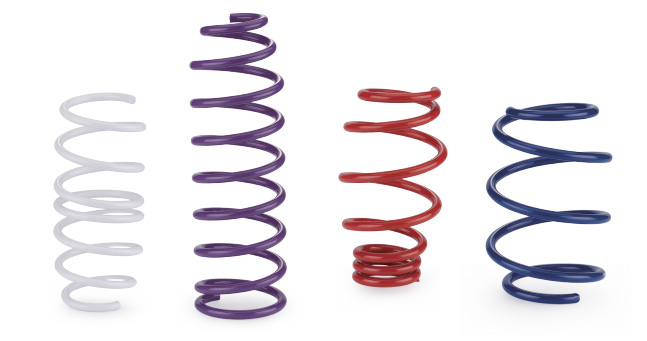 نوابض تعليق السيارة البديلة OE المصنعين والموردين Zhejiang Zongheng Spring Co., Ltd. هي إحدى الشركات المصنعة والموردة لنوابض تعليق السيارات البديلة في الصين، وهي متخصصة في بيع نوابض التعليق بالجملة... عرض المنتج →
 كيف تعمل النوابض اللولبية: معدل الربيع وأساسيات التصميم
الزنبرك اللولبي هو في الأساس شريط الالتواء ملفوف في حلزون، ويتحكم معدل زنبركه بقطر السلك، ومتوسط قطر الملف، وعدد الملفات النشطة. عندما ينضغط الزنبرك، يلتوي السلك على طوله، وتولد المقاومة لحركة الالتواء قوة الزنبرك. الصيغة القياسية هي k = (Gd^4) / (8D^3N)، حيث G هو معامل القص للفولاذ، وd هو قطر السلك، وD هو متوسط قطر الملف، وN هو عدد الملفات النشطة.
من الناحية العملية، قطر السلك له التأثير الأقوى على معدل الزنبرك لأنه مرفوع إلى القوة الرابعة. تؤدي الزيادة الطفيفة في سمك السلك إلى إنتاج زنبرك أكثر صلابة، في حين أن إضافة ملفات نشطة تجعل الزنبرك أكثر ليونة.
يتم استخدام تصميمين زنبركيين بشكل شائع في أنظمة تعليق الزنبرك اللولبي:
| مميزة | ربيع معدل ثابت | زنبرك ذو معدل متغير |
|---|---|---|
| معدل الربيع | ثابت طوال السفر | يزداد مع ضغط الربيع |
| سلوك الركوب | يمكن التنبؤ بها وخطية | ناعمة في البداية، وأكثر ثباتًا تحت الحمل |
| الأفضل ل | معظم سيارات الركاب وسيارات الدفع الرباعي | المركبات ذات الحمولات المختلفة أو حمولات القطر |
| الجانب السلبي | التكيف مع الحمل المحدود | أكثر تعقيدا لضبط بشكل صحيح |
بالنسبة لمعظم السائقين، يعتبر الزنبرك ذو المعدل الثابت هو الاختيار الصحيح لأنه يتوافق مع المعايرة الأصلية للمركبة. إذا كنت تحمل أحمالًا ثقيلة بشكل متكرر، فقد يكون من المفيد التفكير في زنبرك ذو معدل تقدمي.
لفائف الينابيع مقابل أوراق الينابيع مقابل الينابيع الهوائية
توفر النوابض اللولبية أفضل توازن بين تحسين الركوب ومرونة التغليف والتعامل المتوقع لمعظم السيارات وسيارات الدفع الرباعي الخفيفة. تعتبر النوابض الورقية أبسط وتتحمل الأحمال الثقيلة بشكل جيد، لكن احتكاكها بين الأوراق يخلق قيادة أكثر قسوة وتشغل مساحة طولية أكبر. توفر النوابض الهوائية ارتفاعًا قابلًا للتعديل وراحة ممتازة، ولكنها تتطلب إمدادًا بالهواء، وتكلف أكثر، وتحتاج إلى صيانة أكثر من النوابض الفولاذية.
| المعيار | ربيع لفائف | ربيع الأوراق | ربيع الهواء |
|---|---|---|---|
| راحة الركوب | جيد إلى ممتاز | معتدل | ممتاز |
| سعة التحميل | معتدل to high | عالية جدا | عالية مع ضاغط |
| التعبئة والتغليف | المدمجة والعمودية | طويلة وخطية | المدمجة والعمودية |
| الصيانة | منخفض | منخفض | أعلى |
| التكلفة | منخفض to moderate | منخفض | عالية |
ولهذا السبب تهيمن النوابض اللولبية على سوق سيارات الركاب، في حين تظل النوابض الورقية شائعة في الشاحنات التجارية ويتم حجز النوابض الهوائية للمركبات الفاخرة والتطبيقات الثقيلة التي تتطلب تسوية الحمولة.
فوائد نظام التعليق الزنبركي اللولبي
تتمثل الفوائد الرئيسية للينابيع اللولبية في القيادة السلسة والمتحكم فيها والتعامل المتوقع والتصميم المدمج الذي يمنح مصممي المركبات الحرية. نظرًا لأن الزنبرك اللولبي لا يحتوي على احتكاك بين الأوراق، فإنه يستجيب بشكل أكثر سلاسة لمخالفات الطريق الصغيرة من الزنبرك الورقي.
- معدل زنبركي يمكن التنبؤ به للتعامل المستقر والمتسق.
- عبوة عمودية مدمجة تقلل خطوط غطاء المحرك وتحرر مساحة الهيكل.
- لا يوجد احتكاك بين الأوراق، مما يقلل من الضوضاء والاهتزاز والخشونة.
- نطاق ضبط واسع من خلال التغييرات في قطر السلك وعدد الملفات ودرجة الصوت.
- يؤدي التلامس المستمر للإطارات إلى تحسين الكبح وقبضة المنعطفات.
- عمر خدمة طويل عندما تكون محمية بطبقات مقاومة للتآكل.
علامات تشير إلى أن النوابض اللولبية الخاصة بك مهترئة
نادرًا ما تفشل النوابض اللولبية البالية دون سابق إنذار؛ الترهل المرئي والضوضاء غير العادية والتآكل غير المتساوي للإطارات هي العلامات التي يجب الانتباه إليها. يؤدي فقدان الزنبرك لطوله الحر أو حدوث تشقق إلى تغيير وضع السيارة وتغيير محاذاة العجلات، مما يؤدي بعد ذلك إلى إتلاف الإطارات ومكونات التوجيه.
- يتم وضع السيارة في مكان منخفض على زاوية واحدة أو جانب واحد.
- تأتي أصوات الطرق أو الضرب من نظام التعليق على الطرق الوعرة.
- تآكل الإطارات بشكل غير متساوٍ، خاصة على الحواف الداخلية أو الخارجية.
- تنسحب السيارة إلى أحد الجانبين أثناء الفرملة أو الانعطاف.
- يمكن رؤية الصدأ المرئي أو الشقوق السطحية أو الملف المكسور في الزنبرك.
إذا لاحظت أيًا من هذه العلامات، فافحص الزنبرك والمقعد الزنبركي والمكونات ذات الصلة على الفور. أسباب التعب الربيعي تمت تغطيتها بالتفصيل في مقالتنا حول لماذا تبلى نوابض تعليق السيارة .
كيفية اختيار نوابض لولبية عالية الجودة
يحدد قطر السلك ودرجة المادة والمعالجة السطحية وعملية التصنيع ما إذا كان الزنبرك اللولبي سيستمر لمسافة 50000 ميل أو 150000 ميل. غالبًا ما تستخدم النوابض الرخيصة الفولاذ منخفض الجودة، والأسلاك الرقيقة، والطلاءات الرقيقة، مما يؤدي إلى الترهل، والتآكل، وفشل التعب المبكر.
تشمل عوامل الجودة التي يجب تقييمها ما يلي:
- قطر السلك: يزيد السلك السميك من معدل الزنبرك وقدرة التحميل.
- عدد الملفات النشطة: المزيد من الملفات يعني زنبرك أكثر نعومة.
- المواد: يعد الكروم والسيليكون أو فولاذ الكروم والفاناديوم من الخيارات الشائعة عالية القوة.
- طلاء السطح: طلاء الإيبوكسي أو المسحوق يقاوم تلف رقائق الحجر والتآكل.
- الطحن بالرصاص: يؤدي إلى ضغط ضاغط على السطح ويحسن بشكل كبير من عمر التعب.
- الإعداد المسبق والخدش: يعمل على تثبيت هندسة الزنبرك ويمنع الترهل لاحقًا.
إن الانضباط في التصنيع مهم بقدر أهمية التصميم. تنتج شركة Zhejiang Zongheng Spring Co., Ltd. نوابض تعليق للسيارات وفقًا لنظام إدارة الجودة IATF 16949، بإنتاج شهري يصل إلى 300000 نوابض ومختبر كامل يشتمل على أجهزة قياس الطيف، وأجهزة اختبار التعب، وأجهزة اختبار الحمل الجانبي. للسائقين الذين يريدون وقفة أقل أو استجابة أكثر حزما، نوابض تعليق السيارة المعدلة تم تصميمها بنفس معايير اختبار التعب. عندما تختلف ظروف التحميل، يؤثر الاختيار بين التصميم الثابت والمتقدم على كل من الراحة والثبات، لذلك يجدر التحقق من مواصفات الزنبرك مقابل البيانات الأصلية للمركبة قبل الطلب.
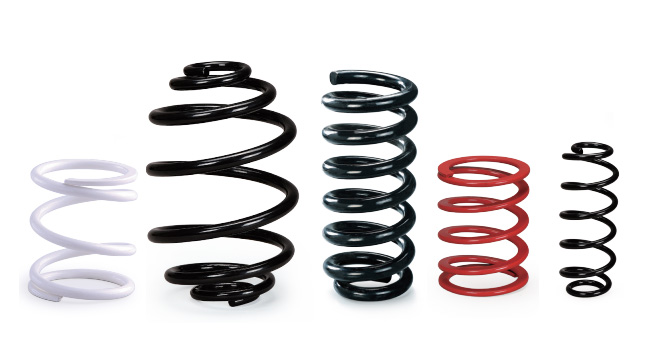 السيارات المعدلة للمركبات على الطرق الوعرة، مصنعي نوابض التعليق Zhejiang Zongheng Spring Co., Ltd. هي الشركة الرائدة في الصين في تصنيع نوابض التعليق بالجملة للسيارات المعدلة والمركبات على الطرق الوعرة. س... عرض المنتج →
 نصائح صيانة لفائف الربيع
تحتاج النوابض اللولبية إلى القليل جدًا من الصيانة الروتينية، لكن الفحوصات البصرية المنتظمة والتركيب الصحيح يضاعف من عمر الخدمة. نظرًا لأن الزنبرك عبارة عن عنصر تآكل يحمل وزن السيارة بالكامل، فإن تجاهل الضرر سيؤثر في النهاية على مكونات السلامة مثل الإطارات والفرامل والتوجيه.
- افحص النوابض والمقاعد الزنبركية للتأكد من عدم وجود صدأ أو تشققات أثناء دوران الإطارات.
- حافظ على نظافة المقاعد الزنبركية وتأكد من تثبيت الزنبرك بشكل صحيح.
- استبدل النوابض اللولبية في أزواج على نفس المحور.
- قم دائمًا بربط مسامير التعليق وفقًا لمواصفات عزم الدوران الخاصة بالشركة المصنعة.
- تجنب التحميل الزائد على السيارة بما يتجاوز وزنها الإجمالي.
الأسئلة المتداولة
كم من الوقت تستمر الينابيع اللولبية؟
تدوم معظم النوابض اللولبية ما بين 100.000 إلى 150.000 ميل، ويستمر الكثير منها طوال عمر السيارة عند قيادتها بشكل أساسي على طرق سلسة. يمكن أن يؤدي التآكل والتحميل الزائد والبدائل ذات الجودة الرديئة إلى تقصير هذا العمر إلى حد كبير.
هل يمكنني القيادة بنوابض ملفوفة مكسورة؟
لا، يمكن أن يؤدي كسر الزنبرك اللولبي إلى إتلاف الإطار، والإخلال بمحاذاة العجلات، وتقليل ثبات المكابح. القيادة على زنبرك مكسور غير آمنة ويجب تجنبها حتى يتم استبدال الزنبرك.
هل يجب علي استبدال النوابض اللولبية في أزواج؟
نعم. يؤدي استبدال كلا النوابض على نفس المحور إلى الحفاظ على مستوى السيارة، والحفاظ على التحكم المتسق، ويمنع تعرض الزنبرك الجديد للضغط الزائد بواسطة الزنبرك القديم الموجود على الجانب الآخر.
هل تؤثر النوابض اللولبية على ارتفاع الركوب؟
نعم. يحدد الطول الحر ومعدل الربيع ارتفاع الركوب. يؤدي الزنبرك المترهل إلى خفض السيارة وتغيير زوايا المحاذاة ويمكن أن يسبب تآكلًا مبكرًا للإطارات.
تظل أنظمة التعليق الزنبركي اللولبي هي المعيار لسيارات الركاب لأنها توازن بين الراحة والتعامل والتكلفة والمتانة بشكل أفضل من أي بديل. عندما يحين وقت الاستبدال، اختر النوابض من الشركة المصنعة التي تتحكم في جودة المواد، والمعالجة الحرارية، والتشطيب السطحي، واختبار التعب. يعمل النوابض اللولبية المصممة بشكل صحيح على استعادة جودة الركوب والسلامة التي كانت تتمتع بها السيارة عندما غادرت المصنع. إذا كنت بحاجة إلى مساعدة في تحديد المواصفات الصحيحة لسيارتك، اتصل بفريقنا الهندسي مع النموذج الخاص بك، والسنة، وأبعاد الربيع المقاسة.